The Best of Ireland, Scotland & Wales: 18 Days You’ll Never Stop Talking About
There’s a moment on almost every tour when it happens. Maybe it’s standing at the edge of the Cliffs of Moher with the Atlantic wind roaring off the water.
Maybe it’s the first pint of Guinness poured at the Gravity Bar, with Dublin and the Wicklow Mountains spreading out to the horizon. Maybe it’s the quiet hush inside the 800-year-old abbey on Iona, or the whistle of a steam locomotive climbing into Snowdonia. Whatever the moment is, travelers on this tour tend to describe it the same way: this is why I came.
If you’ve ever dreamed of experiencing Ireland, Scotland, and Wales in one unforgettable trip — without the stress of planning logistics, chasing trains, or wondering if you’re missing the “real” version of these countries — this is the tour built for you.

Three Countries, One Seamless Journey
Eighteen days. Three nations steeped in myth, music, and history — one small group, one dedicated guide, and zero guesswork.
This isn’t a whirlwind bus tour where you snap a photo and move on. It’s a deep, unhurried immersion into the landscapes and cultures that make the Celtic Isles unlike anywhere else on Earth — designed by someone who has walked every mile of it himself and knows exactly where the magic happens.
- Galway & the West of Ireland – Buskers, pubs, and easy charm to start. Ride a ferryboat to the Aran Islands, stand at the edge of the Cliffs of Moher, and wander the Dingle Peninsula’s “forty shades of green.”
- Kilkenny, Glendalough & Dublin- Kiss the legendary Blarney Stone, walk the peaceful monastic ruins of Glendalough in the Wicklow Mountains, and toast Ireland’s capital with a pint at a Temple Bar pub.
- Edinburgh- A short flight across the Irish Sea into centuries of history along the Royal Mile, with Edinburgh Castle watching over it all.
- The Highlands & Islands- St. Andrews, home of golf; the haunting grounds of Culloden Battlefield; a Loch Ness cruise beneath Urquhart Castle; and a ferry to the sacred island of Iona from the harbor town of Oban.
- The Lake District & North Wales- A peaceful overnight in England, then a spectacular finish in North Wales — medieval castles, a working slate mine, the flower-filled Bodnant Gardens, and a historic steam railway through Snowdonia National Park.

Why Travelers Keep Coming Back
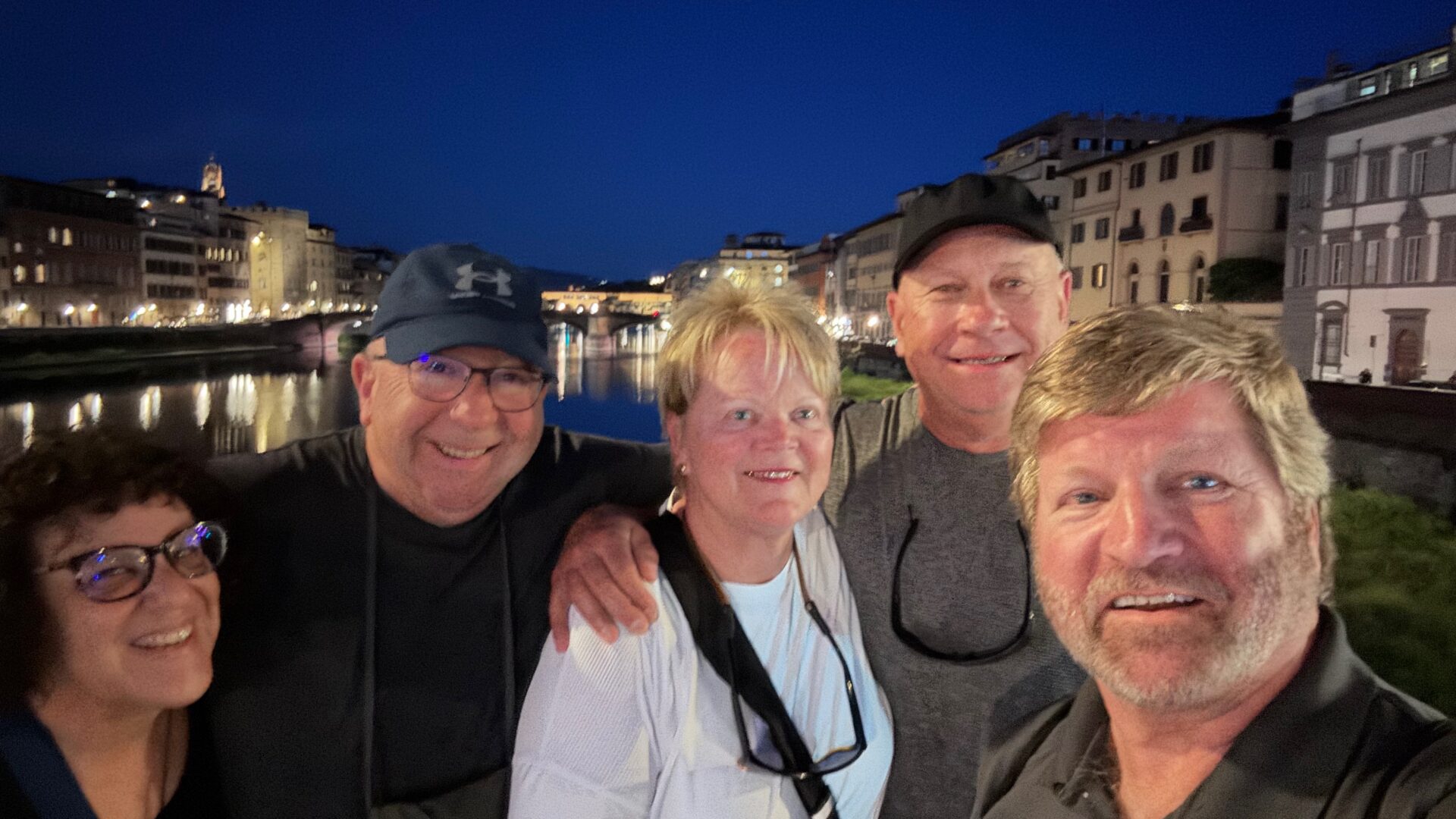
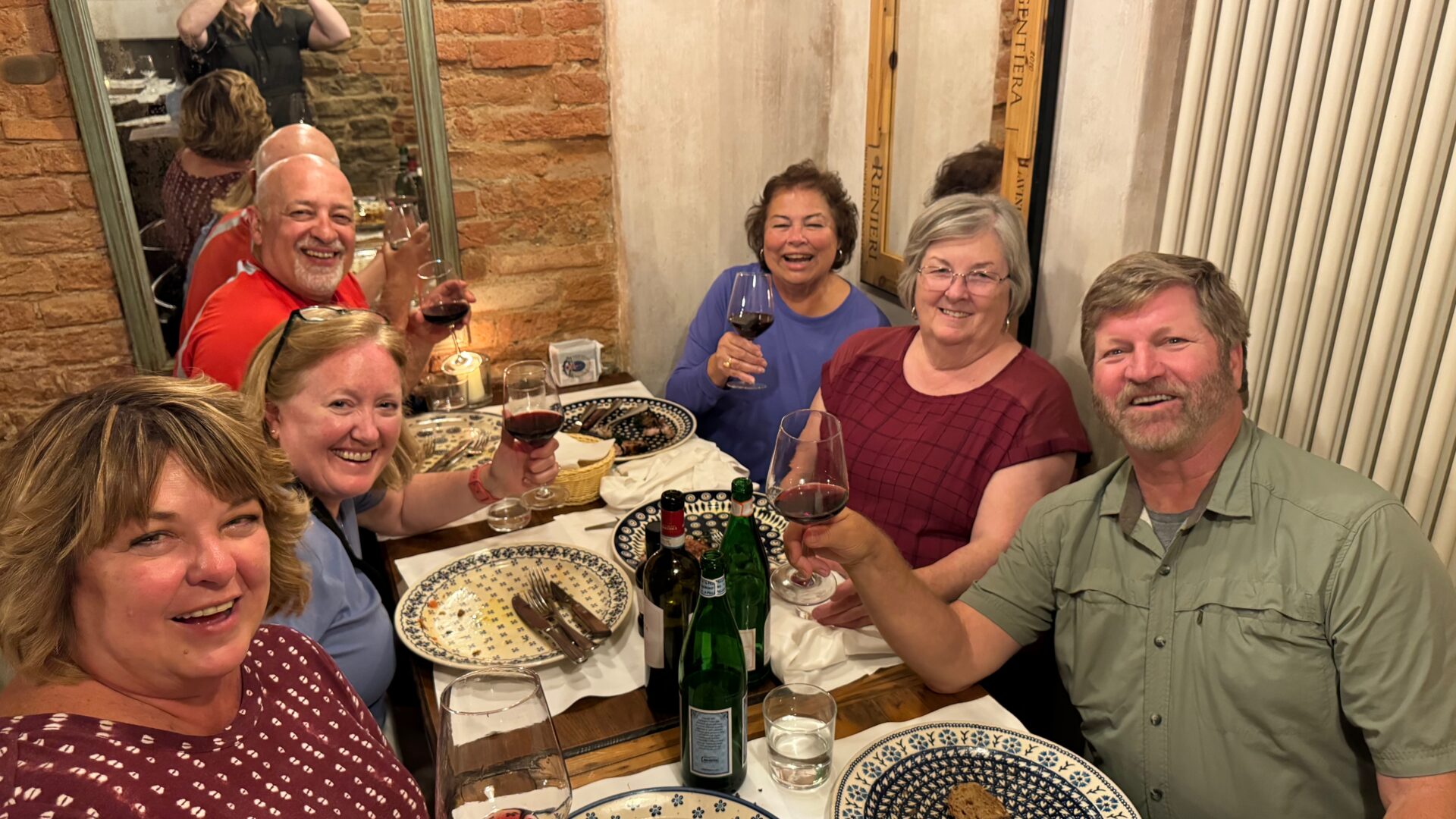
What makes this tour different isn’t just the itinerary — it’s how it’s run. Every detail, from the trusted hotels to the restaurant reservations, has been personally scouted and chosen. Groups stay small (just 6 to 18 travelers), so you’re never herded through a site behind a guide holding up a flag on a stick. You’ll have plenty of structured sightseeing along with generous free time to wander, shop, or sit with a coffee and watch the action of everyday life.
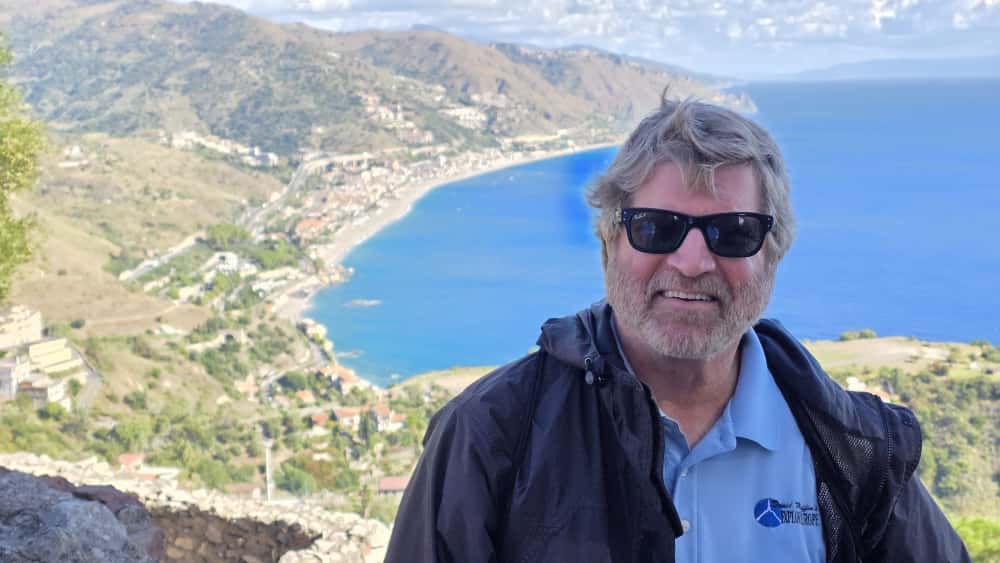
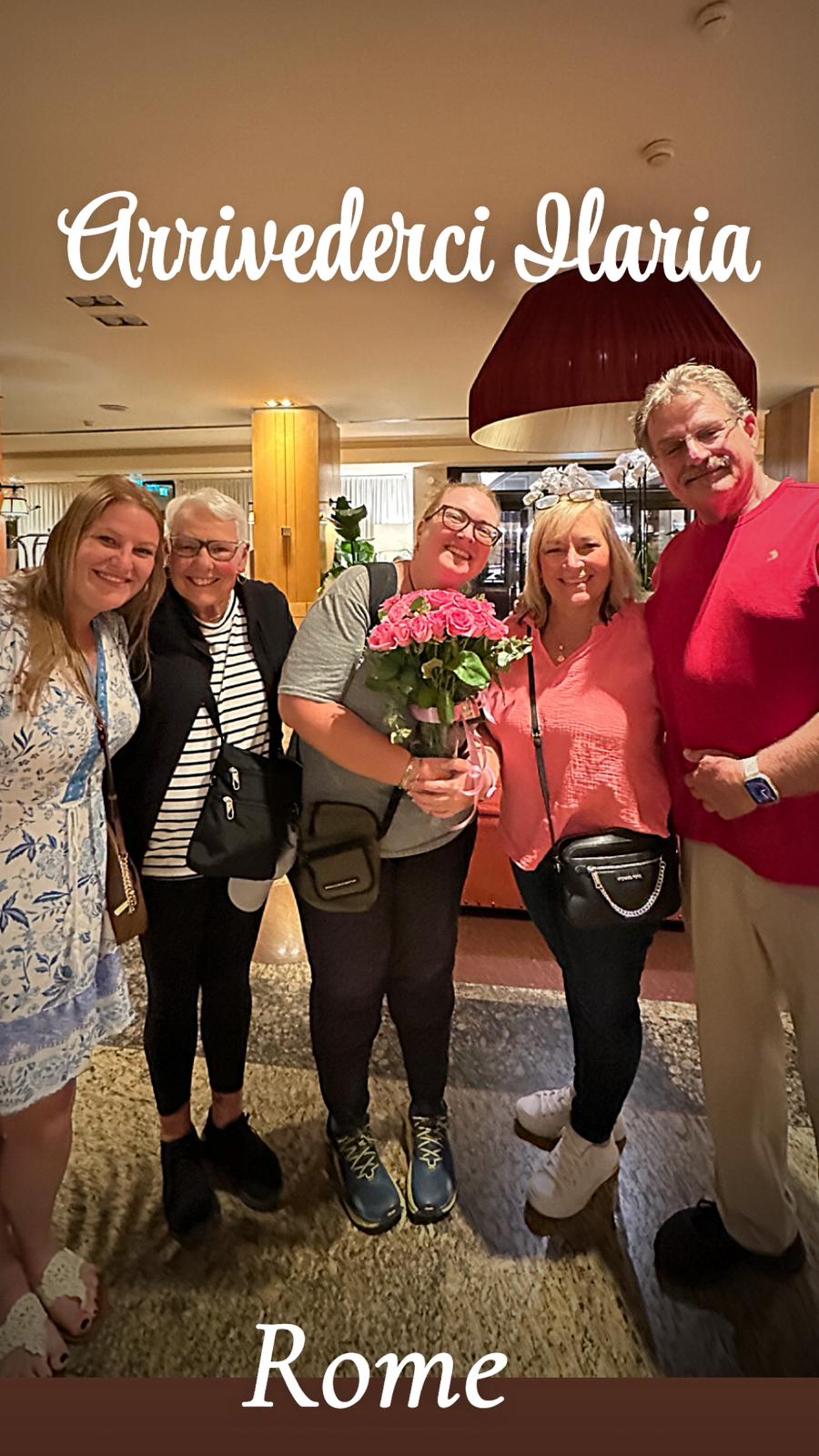
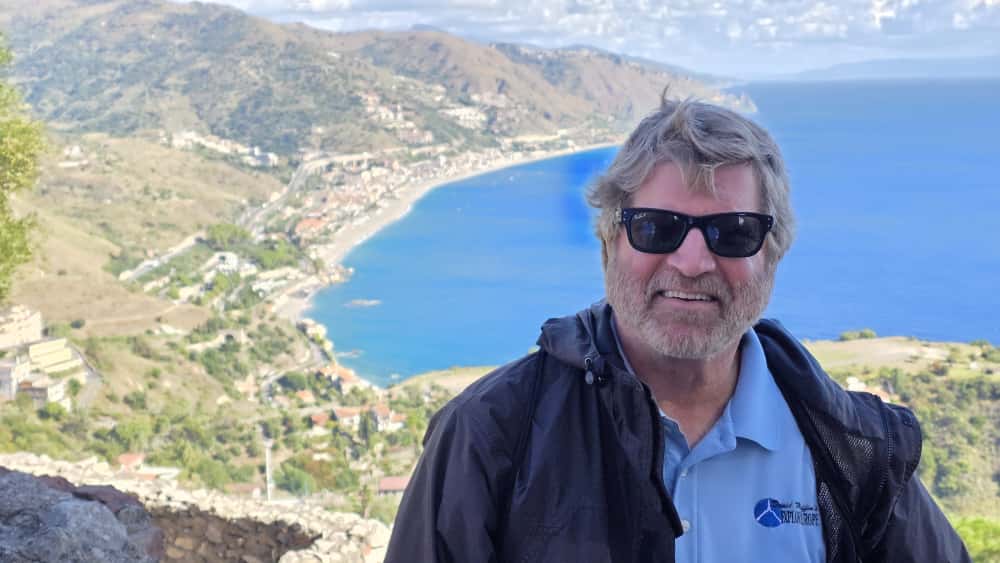
Travelers who’ve taken David McGuffin’s tours to Ireland, Scotland, and Wales consistently point to the same things: a guide who goes out of his way to help with anything you need, drivers who make even long travel days comfortable, and the sense of getting to really experience a place rather than just checking it off a list.
“The Scotland/Wales trip was wonderful. Scotland is so beautiful, and we loved the small towns where we stayed. Dave was a great guide and so willing to help us in whatever we needed.”
That personal touch extends to custom and private journeys as well. One couple who arranged a private Ireland and Wales itinerary with David described being pleasantly surprised at the value of having their own dedicated guide and driver, complete with a detailed advance travel planner. They came away impressed by the attention to detail, the quality of the accommodations, and the freedom of skipping the lines, luggage scrambles, and rigid schedules that come with typical group travel — while still enjoying first-class comfort every step of the way.
You can read more traveler experiences on the full testimonials page, or watch David’s tour experience come to life in his Ireland tour video.

What’s Included, So You Can Just Enjoy the Trip
This tour is priced to be worry-free from the moment you land:
- 17 nights in traditional hotels, guesthouses, and B&Bs, all with private en-suite baths
- All breakfasts, plus nine included dinners at hand-picked local favorites
- The flight across the Irish Sea from Ireland to Edinburgh
- All tours and admissions — Blarney Castle, the Cliffs of Moher, Glendalough, the Guinness Storehouse, Edinburgh Castle, Culloden Battlefield, a Loch Ness cruise, the Isle of Mull and Iona, Bodnant Gardens, a Welsh slate mine, and a scenic steam train through Snowdonia, among many others
- A full-time Exploring Europe guide and local experts throughout
- All tips and gratuities to guides, drivers, restaurants, and hotel staff
- Electronic tour handouts detailing each day’s history and culture
- A guaranteed small group of 6–18 travelers
- An unconditional tour price guarantee — once you book, your price never changes

Is This Tour Right for You?
This trip is built for travelers who want to experience Ireland, Scotland, and Wales, not just glimpse them from a bus window. Most days call for light to moderate walking — a couple of miles on level ground, with some hills, cobblestones, and standing time built in — so a reasonable level of fitness makes the trip far more enjoyable.
If you love history, folklore, dramatic coastlines, castles, good food, and even better company, you’ll feel right at home.
Your Adventure Starts Here
Departures are already filling for 2027, with dates in May, June, August, and October. Given how quickly small-group departures sell out, now is the time to lock in your spot.
View Full Itinerary, Dates & Pricing
Or reach out directly — happy to answer questions and help you plan:
tours@davidmcguffin.com | 800-570-1351