It took Spain a long time to get on my travel radar
I’d been to France dozens of times, Italy even more. But once I started leading tours of the Iberian Peninsula, I kept coming back—and I think I finally know why. There’s a looseness here, a no-rush-about-it attitude that is hard to find anywhere else in Europe. The food is incredible, the history is layered and complicated, and the people seem genuinely happy to have you wandering their streets. that’s my Best of Spain tour in a nutshell.
Over thirteen days on my Best of Spain tour, we cover eight cities and towns across the length of this massive country — from the modernista madness of Barcelona in the northeast all the way down to the sun-baked, flamenco-fueled streets of Sevilla in the southwest. Here’s a taste of what’s waiting for you.
Barcelona: Gaudí, Gothic, and the Grand Promenade
 We begin in Barcelona, and honestly, it’s hard to imagine a better opening act. On our first evening, I like to walk the group through the Eixample neighborhood to see Gaudí’s so-called “Block of Discord” — a stretch of modernista buildings that are about as far from boring architecture as you can get. Over dinner at one of my favorite tapas spots, you start to get the feel of the city: loud, social, and very much alive after dark.
Day two is all about Gaudí’s great unfinished cathedral, La Sagrada Família. I’ve stood in front of that building more times than I can count, and it still stops me cold. The façades, the towers, the way light moves through the interior — there is simply nothing else like it in the world. After that, we wander the narrow lanes of the Gothic Quarter, out to the harbor promenade, and then the rest of the day is yours. Barcelona rewards wanderers.
Madrid: The Royal Capital at Its Best
 A high-speed AVE train whisks us from Barcelona to Madrid in just a few hours — and yes, the train is genuinely part of the fun. Madrid is the heart of the country, and we give it the time it deserves: four nights.
On arrival, we head straight for the Palacio Real, the Royal Palace. With over 3,400 rooms, it is the largest functioning royal palace in Western Europe. The sheer scale of the place tends to make jaws drop. The next morning, we meet a local guide at the Prado Museum for a personal tour of its greatest works — Velázquez, Goya, and El Greco. No rushing. No tour bus crowds. Just good art and good conversation.
The rest of your time in Madrid is yours to fill. Find a café on the Plaza Mayor, duck into a neighborhood taberna, and discover the Retiro Park. Madrid is a city that rewards people who slow down.
Segovia: Cool, Quiet, and Completely Worth It
 One of the best decisions I made years ago was to add a day trip to Segovia to this tour. Just a short train ride north of Madrid, Segovia sits at nearly 3,000 feet of elevation — which means even in summer, the air is crisp, and the pace is distinctly unhurried.
The Roman Aqueduct is the star of the show: 2,500 feet long, nearly 100 feet high, and built from 20,000 precisely cut granite stones stacked without a drop of mortar — two thousand years ago. No scaffolding, no power tools, no mortar. It still stands. We also wander up to the fairy-tale Alcázar, the hilltop castle that is said to have inspired Walt Disney, and the elegant Gothic Cathedral right on the main plaza. For lunch, we sit down to the regional specialty — roasted suckling pig. Don’t be shy about it. It’s extraordinary.
Toledo: The City of Three Cultures
 Toledo is only thirty minutes from Madrid by high-speed train, but in every other sense, it is a world apart. For centuries, Christians, Muslims, and Jews lived and worked side by side here, and you can feel that layered history in every lane and doorway.
The Cathedral of Toledo is one of the great Gothic churches of the world — massive, dark, full of treasures. But I love Toledo just as much for the wandering: the crooked medieval streets, the sword-makers’ shops, the views from the old city walls out over the Tagus River below. We make a full day of it before heading back to Madrid for the evening.
Granada: Where the Moors Left Their Greatest Gift
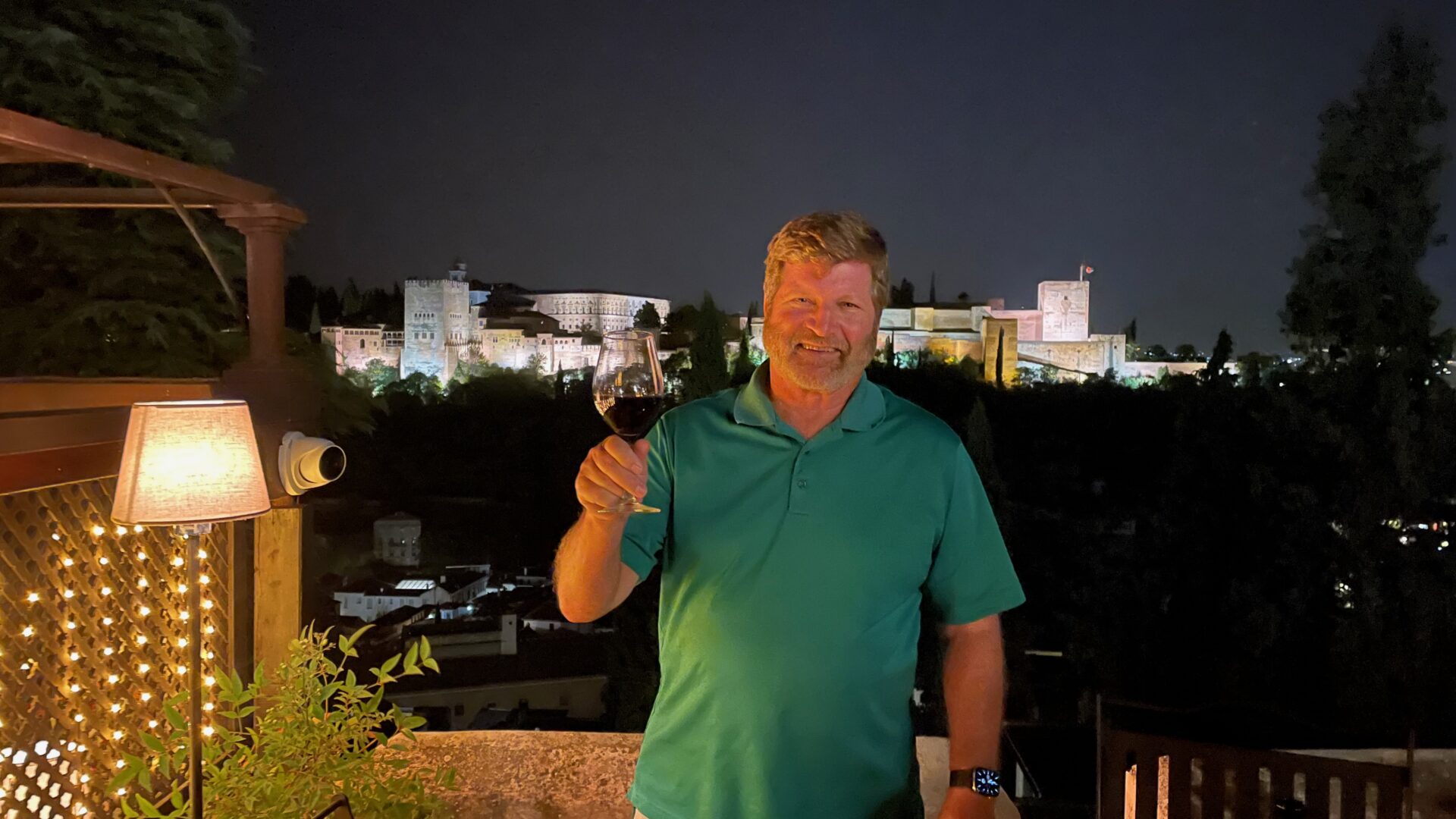
 A fast train carries us south to Granada and the heart of Andalucía. On arrival, we visit the Royal Chapel, where Ferdinand and Isabella — the monarchs who united Spain and sent Columbus west — lie in their lavish tombs. It’s a surprisingly intimate and moving place.
But the next morning is what everyone has been waiting for: The Alhambra. I’ve been through it many times, and I still find it breathtaking. This sprawling Moorish palace complex, perched on a forested hilltop above the city, is without question one of the most beautiful places on earth. The tilework, the carved stucco, the reflecting pools, the Generalife gardens — the artistry is extraordinary. Plan on spending the better part of the day.
Nerja: One Day, No Agenda, Just the Sea
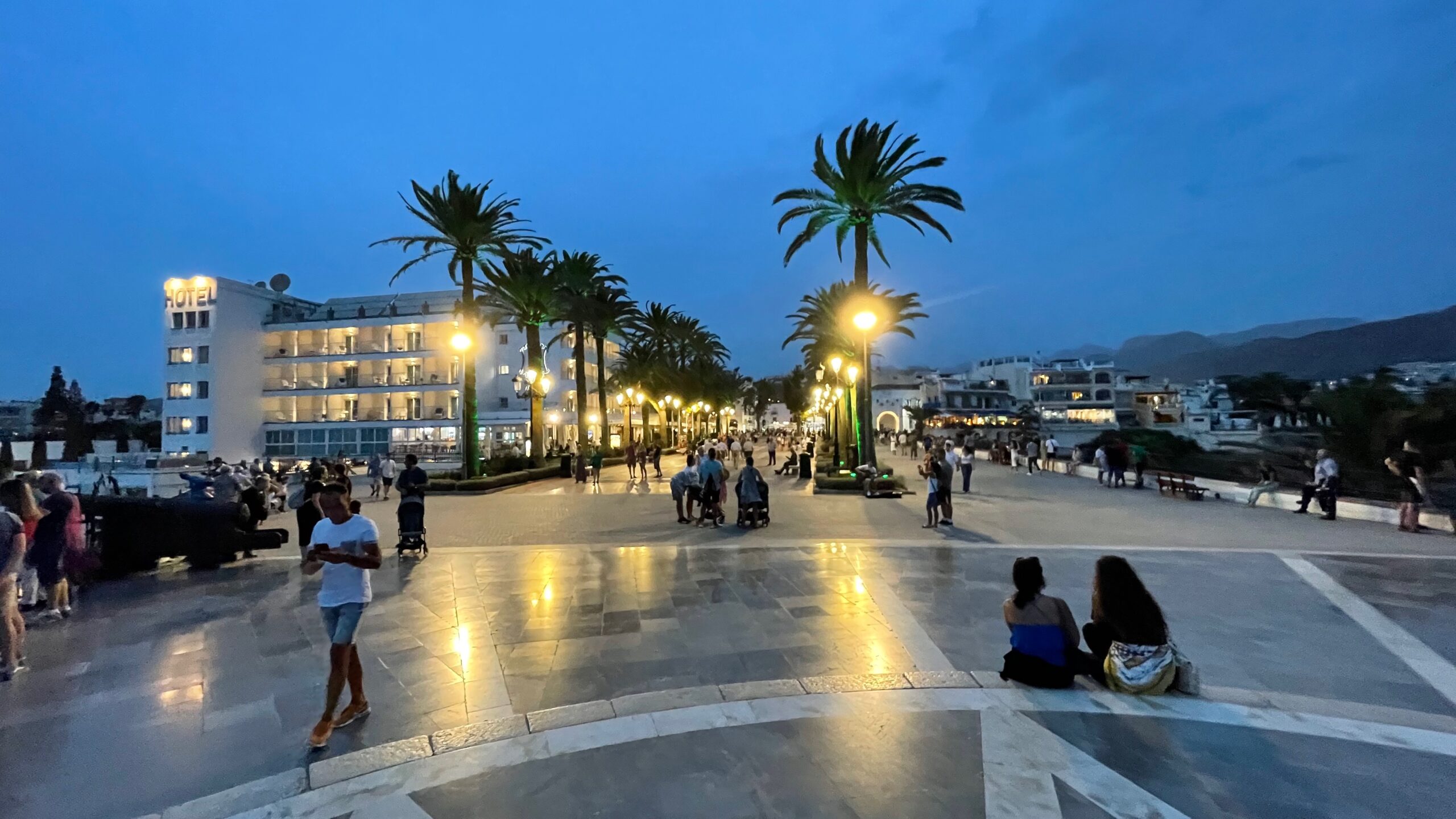
 After the grand palaces and cathedrals, I always love watching the group arrive in Nerja. This little beach town on the Costa del Sol is our one deliberate day off — no sightseeing agenda, no guided tours, no checklist. Just a pretty cliff-top town, sandy beaches, a small central plaza, and the Mediterranean stretching out in every direction.
Find a chair and umbrella on the beach. Read a book. Have a long lunch with a glass of something cold. That’s the whole plan, and it’s a good one.
Arcos de la Frontera: Spain’s Most Spectacular Hilltop Village
 The mountains between Granada and Sevilla are dotted with whitewashed villages perched high in the hills, and my favorite of all of them is Arcos de la Frontera. We set up here for an afternoon and evening, and the views from the old town ramparts — out over the Andalusian countryside — are the kind that make you reach for your camera and then realize no photo will do it justice.
The cobbled lanes are ancient and narrow, the whitewashed houses glow in the afternoon light, and dinner at the top of the hill, watching the sun go down over the valley, is one of those moments the group always talks about afterward.
Sevilla: A Grand Finale
 We save the biggest finish for last. Sevilla — capital of Andalucía and arguably the most passionate city in Spain — gives us two full nights to take it all in.
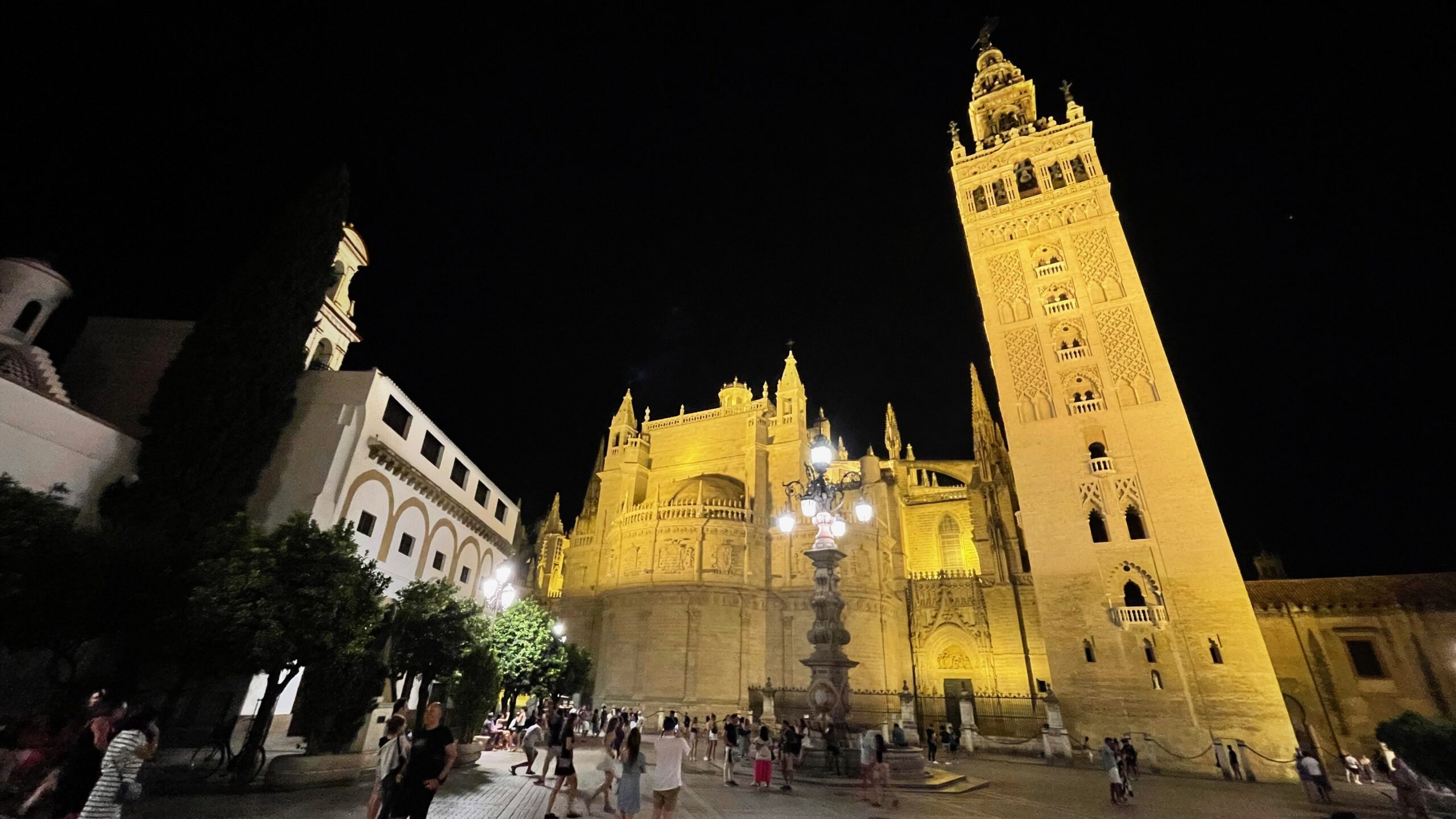
On our first day, we walk the whitewashed lanes of the Barrio Santa Cruz, the old Jewish quarter, and visit the Cathedral of Sevilla — the largest Gothic church in the Christian world, with a tower you can climb for sweeping views over the rooftops. That evening, we will settle in for a live flamenco performance. After a few days in Andalucía, you start to understand where this music comes from — the emotion, the drama, the raw intensity of it.
Our second day features a tour of the Real Alcázar, the Moorish-influenced royal palace that has been home to Spanish monarchs for more than five hundred years. Then the afternoon is free — wander, shop, sit on a terrace with a fino sherry and watch the city go by. That evening, we gather for our farewell dinner, raise a glass, and toast thirteen days of Spain done right.
Ready to Go?
 My Best of Spain tour runs in September/October 2026 and again in spring and fall 2027. Small groups, authentic dining, and no rushing through the good stuff. Find dates and details here.
Spain rewards the traveler who pays attention to the food, the history, and the unhurried rhythms of daily life. Thirteen days is just enough time to fall in love with this country. Plenty of my travelers have come back for more.
I hope to see you there.
— David


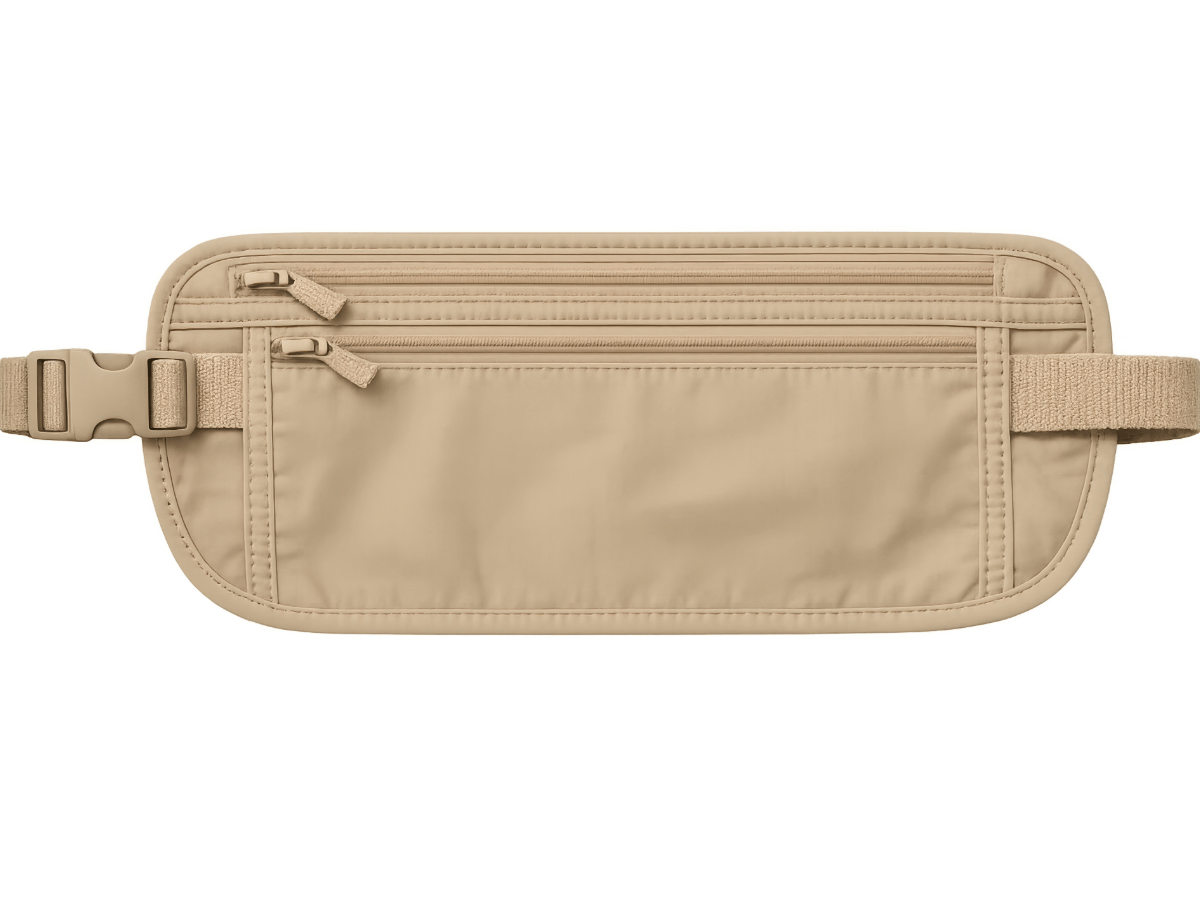 After decades of leading tours across Europe, there’s one habit I recommend to every traveler, every single time: wear a moneybelt. It’s not glamorous, it’s not exciting, and it’s not fashionable. But it’s one of the simplest ways to protect yourself — and your trip — from disaster.
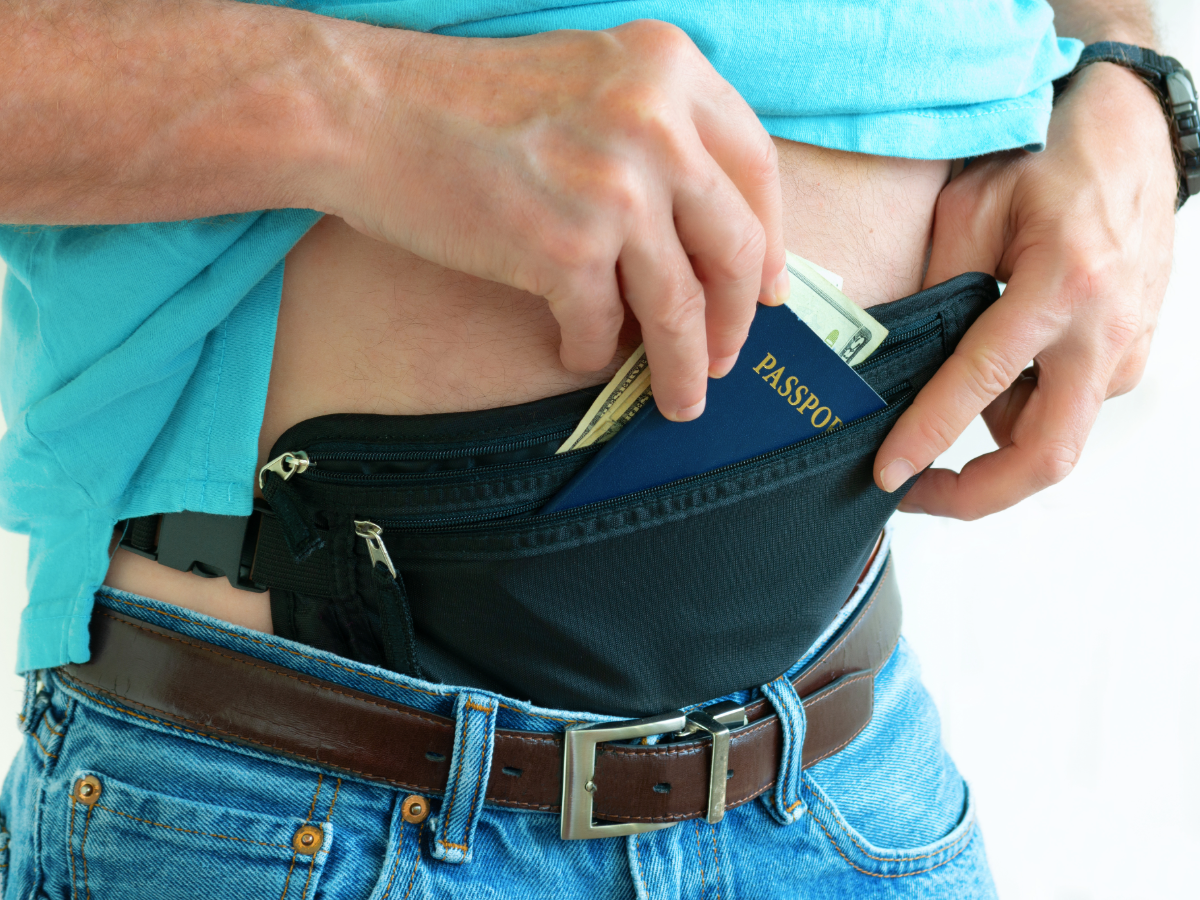 A moneybelt isn’t for everything in your wallet. It’s for the things you truly cannot afford to lose: your passport, credit cards, medical information, and the cash you are carrying around. I keep my passport tucked inside a small plastic sandwich bag before it goes in the belt, just to keep it dry and protected. If your passport is ever lost while you’re out of the country, you’ll be looking at days of delays and a mandatory trip to a U.S. embassy to get a replacement. That’s not how anyone wants to spend their vacation.